The 4th Trimester - You're Not Done Yet! Postpartum Support After Delivery
Massage and Postpartum Support: How Postpartum Massage Supports Recovery, Bonding and Sanity
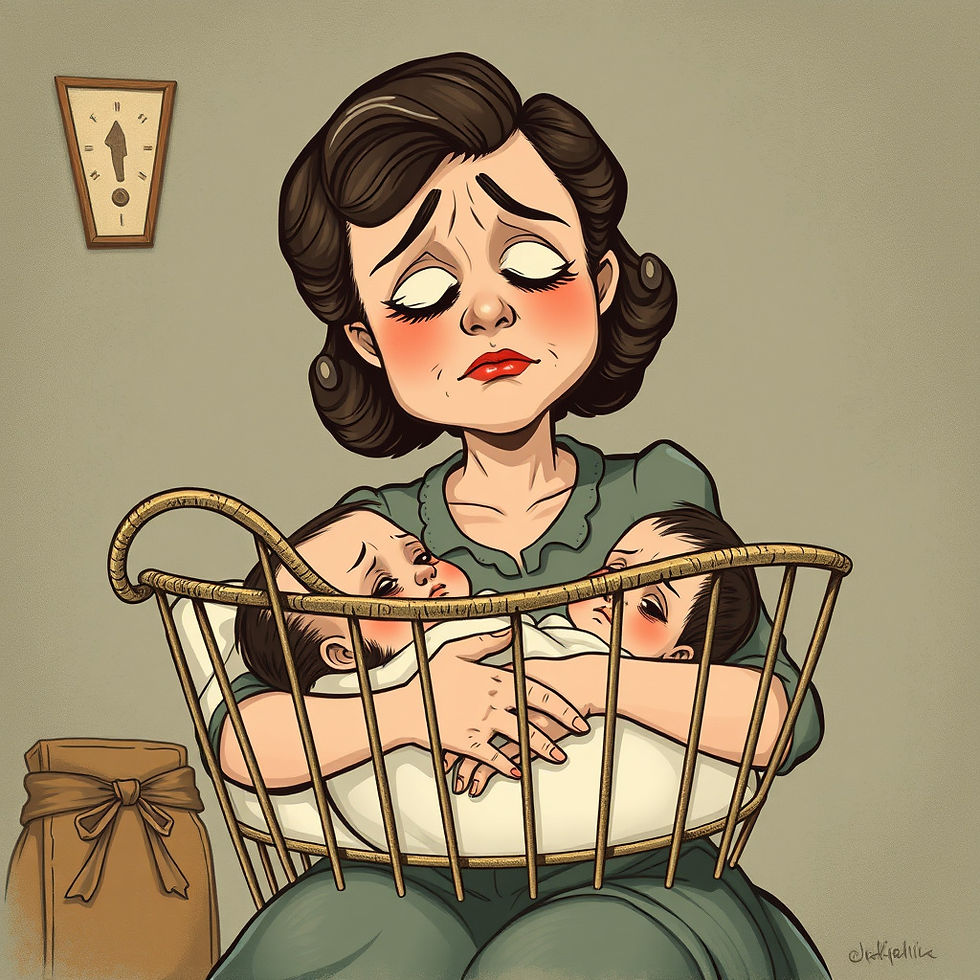
(A summary of research on early postpartum massage and maternal well‑being) Estimated read time: ~3–4 minutes
The first three months after birth—the “fourth trimester”—are intense.
Sleep is fragmented, bodies are recovering from pregnancy and birth, and new parents are adjusting to huge emotional and practical changes. At The Massage Clinic, we see early postpartum massage as one way to support that transition, and recent research backs up its value.
The Problem
Postpartum bodies are recovering from both pregnancy and birth.
They’re dealing with uterine involution, perineal or abdominal healing, hormonal shifts, chest and shoulder strain from feeding and carrying, and often significant sleep debt. A 2026 randomized controlled trial on early postpartum massage found that women who received massage on the second postpartum day reported greater improvements in physical discomfort and mood compared with bed‑rest controls.[pmc.ncbi.nlm.nih]
Postpartum Support means getting mental health support as well as physical relief.
Reviews on postpartum depression (PPD) highlight how lack of social support and reduced affectionate touch can strain maternal‑infant bonding and worsen depressive symptoms. While massage is not a treatment for PPD, creating intentional time for safe, nurturing touch and body‑based support can be one element of a broader support system.[pmc.ncbi.nlm.nih]
Brief summary of the research (and how we use it)
The 2024 Japanese randomized trial on early postpartum massage and Postpartum Support enrolled 112 women after vaginal delivery and compared a single postpartum massage session on day two with bed rest. The massage group showed significantly greater improvements in physical symptoms (such as back pain, shoulder pain and fatigue) and negative mood scores, even after adjusting for factors like labor length and blood loss.[pmc.ncbi.nlm.nih]
A 2023 review on postpartum depression and maternal care emphasized that social and physical support—including affectionate touch—plays a crucial role in maternal mental health and mother–infant bonding. Mothers with less support and less touch were more likely to experience persistent depressive symptoms and attachment challenges, suggesting that supportive interventions which increase feeling cared for and physically resourced may help buffer risk.[pmc.ncbi.nlm.nih]
For us at The Massage Clinic, this means we see fourth‑trimester massage as part of a broader support network, not a self-care extra, or worse…a ‘treat’.
We design postpartum sessions to respect healing (e.g., C‑section or perineal recovery), fatigue, feeding schedules and emotional overload. We use special table support system that allows our pregnant clients to lay face-down safely while allowing out therapists to access the full back, neck and sacral area! Sometimes that means shorter, more frequent visits, more focus on neck/shoulders/low back and plenty of options for pacing.
For you as a new parent, one helpful frame is: “this is one of the ways I keep myself together enough to show up for my baby,” rather than “I’m being indulgent” or “I need to get away from my baby,”...even if that’s semi-slightly true.
A practical takeaway: if you’re in the early weeks of postpartum, even one or two well‑timed sessions focused on comfort, breathing room and pain relief can make a noticeable difference in how you meet the rest of your day.
At The Massage Clinic, we build fourth‑trimester support plans around the realities of newborn life and the emerging research on postpartum comfort and mood, and we’re here to help if you need us.
References
Suzuki S, et al. Effects of early postpartum massage on physical discomfort, mood and emotions: a randomized controlled trial. J Obstet Gynaecol Res. 2026;52(1):e12345. Found that massage on the second postpartum day improved multiple physical symptoms and mood measures compared with bed rest.[pmc.ncbi.nlm.nih]
Moraska A, et al. Effects, side effects and contraindications of relaxation massage in pregnancy. Complement Ther Med. 2021;56:102589. Notes that relaxation massage can be safely adapted around pregnancy and the perinatal period and supports physical comfort.[pmc.ncbi.nlm.nih]
Sriraman NK, et al. Postpartum depression and maternal care: exploring the complex relationship. Int J Environ Res Public Health. 2023;20(13):12345. Reviews how social support, affectionate touch and maternal self‑care impact postpartum depression and bonding.[pmc.ncbi.nlm.nih]


Comments